




Über Uns
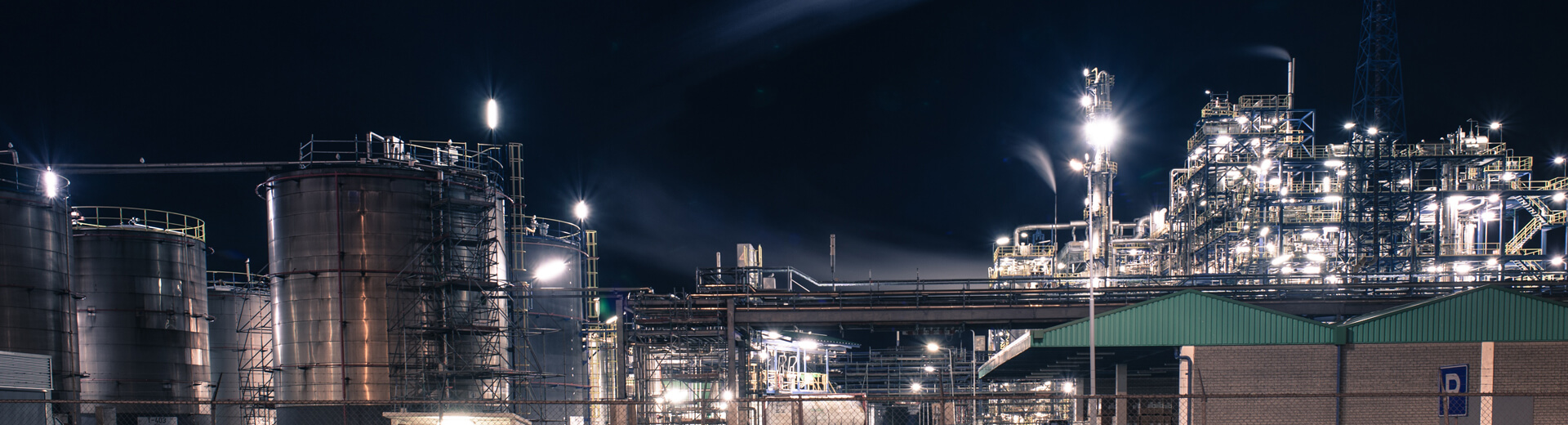
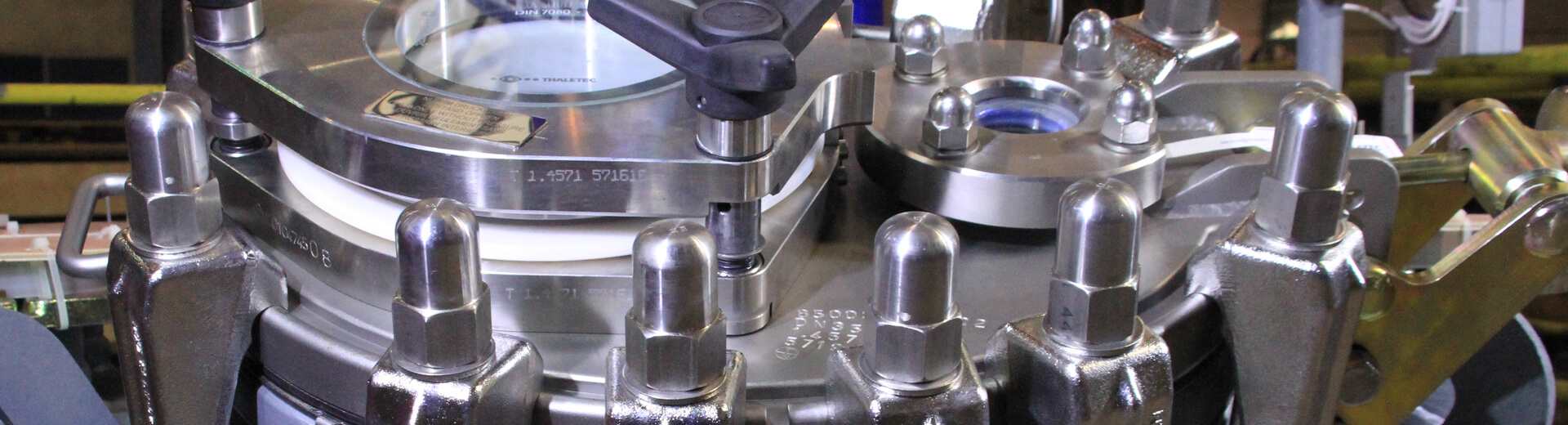
Von THALETEC erhalten Sie das gesamte Spektrum emaillierter Apparate: seien es Tanks, Kolonnen oder Vorlagen. Alternativ auch hocheffiziente Rührwerksapparate mit Doppelmantel oder Halbrohrschlangen. Ebenso unsere besonders effizienten emaillierten Kompaktwärmetauscher oder solche mit SIC-Rohren für eine noch kompaktere Bauweise. Oder Ersatzteile, die für eine hohe Verfügbarkeit Ihrer Anlagen unerlässlich sind.
Für Anwendungen in der Energie-, Umwelt- und Kraftwerkstechnik bietet THALETEC emaillierte Wärmetauscherrohre bis zu 12.000 mm Länge an, die weltweit einzigartig sind und in einer voll automatisierten, kontinuierlich arbeitenden Anlage in höchster Qualität hergestellt werden.
All unsere Produkte sind „Made in Germany“. Hergestellt aus Komponenten und Materialien zertifizierter, zumeist deutscher Qualitätslieferanten, bieten wir ein umfassendes Programm hochwertiger und zuverlässiger Apparate, ob standardisiert oder ganz individuell nach Kundenwunsch gefertigt.

THALE-mail 175 / 15.04.2024
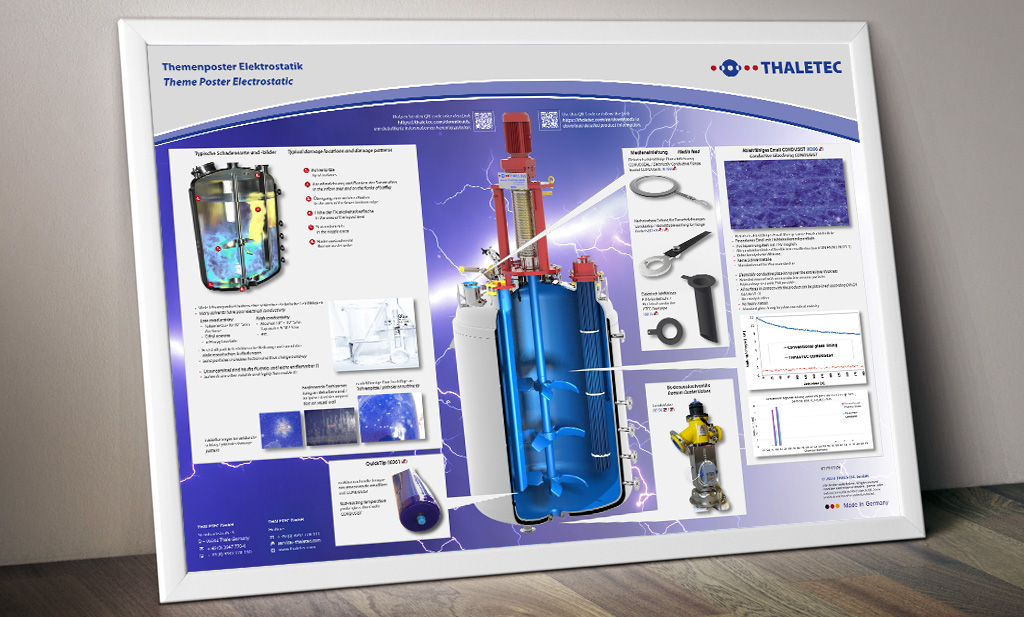
Neues Poster "Elektrostatik in emaillierten Apparaten" verfügbar
Elektrostatikische Aufladungen in emaillierten Apparaten können mit einer Reihe von…
Poster anfordern
THALE-mail 175 / 12.04.2024
Unser nächster OnlineWorkshop
"Sicher Arbeiten im und am emaillierten Behälter" findet am 18.04.2024 um 10:00 Uhr statt.
weiterlesen
THALE-mail 175 / 08.04.2024
Ladungsfrei mit Condusist
Übliche Emaillierungen sind elektrische Isolatoren. Elektrostatische Aufladungen können daher die Emaillierung schädigen.…
weiterlesen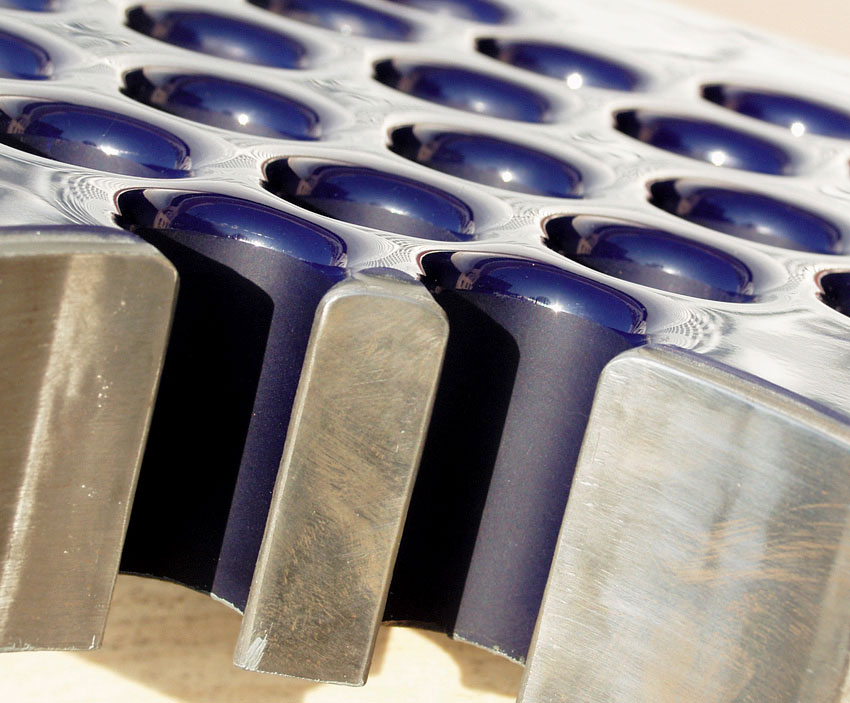
THALE-mail 174 / 03.04.2024
173-fache Sicherheit
Emaillierte Wärmeaustauscher von THALETEC zählen zu den sichersten Bauteilen. Mit Hilfe eines Versuchs konnte nachgewiesen…
weiterlesen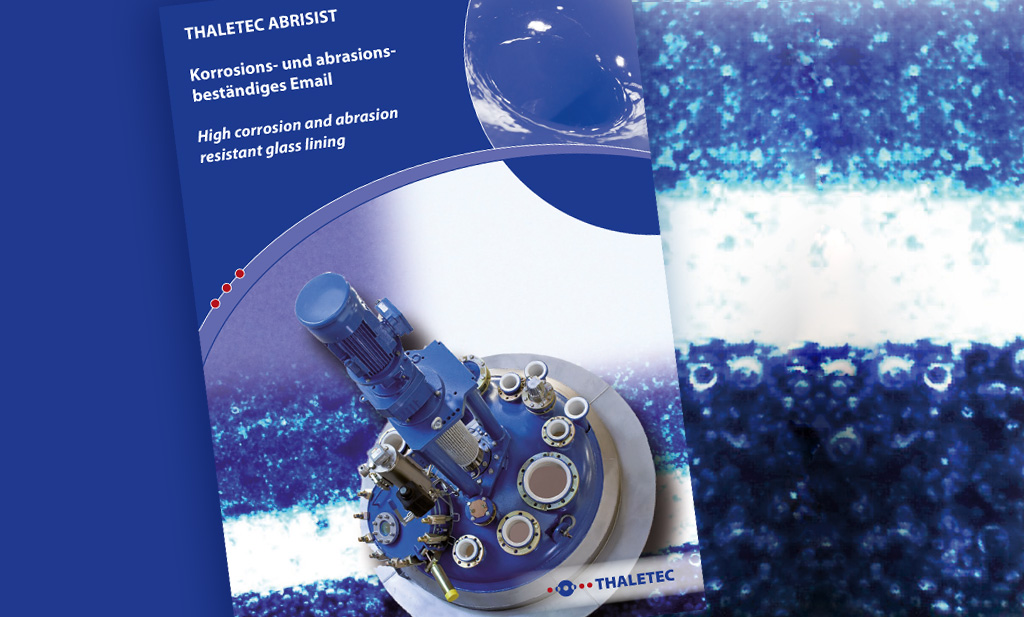
THALE-mail 174 / 02.04.2024
Abrasionsbeständiges Email THALETEC Abrisist
THALETEC ABRISIST ist ein hoch korrosions- und besonders verschleißfestes Email. Es wurde speziell für…
download PDF
THALE-mail 174 / 29.03.2024
Emaillierte Kühlfallen
THALETEC entwickelt und fertigt emaillierte Kühlfallen für hochkorrosive Anwendungen. Lesen Sie hier über diese innovative…
weiterlesen
THALE-mail 174 / 27.03.2024
NEU – THALETEC MixView – Alle THALETEC Rührsysteme ONLINE!
Ab sofort steht THALETEC MixView in einer weiter optimierten Version zur Verfügung!
MixView starten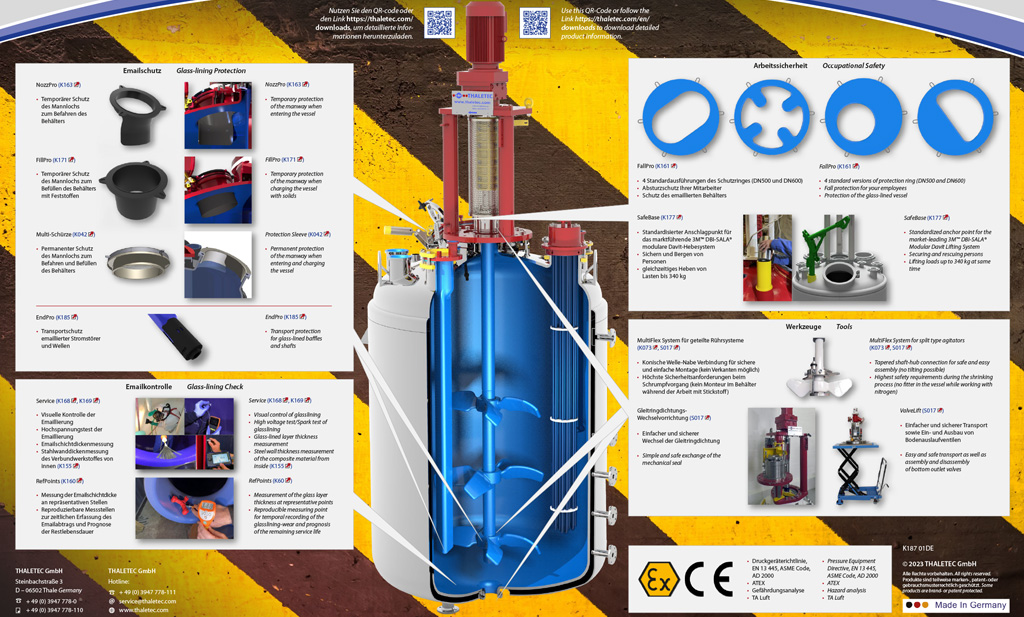
THALE-mail 174 / 26.03.2024
Neues Poster "Arbeitssicherheit" verfügbar
In dem neuen Poster "Arbeitssicherheit" haben wir für Si alle Lösungen von THALETEC zu diesem Themenfeld…
Poster anfordernTHALE-mail 174 / 25.03.2024
Unser nächster OnlineWorkshop
"Tag des Emails" findet am 25.10.2023 von 10 Uhr bis 11 Uhr statt.
weiterlesen

THALE-mail 174 / 21.03.2024
Sicher ist sicher!
In diesem Newsletter dreht sich alles um Arbeitssicherheit.
weiterlesenOnlineworkshops
Schnell, effektiv, informativ und praxisnah
OnlineWorkshops sind die Lösung von THALETEC, schnell, effektiv und zielgerichtet fundiertes Entscheidungswissen in der emaillierten Apparatetechnik zu vermitteln.
OnlineWorkshops führen wir regelmäßig durch. Anmeldeschluss ist jeweils ein Tag vor dem Workshop-Termin.
Hier können Sie sich für den nächstfolgenden Workshop anmelden.
Unsere Produkte
für die chemische und pharmazeutische Industrie weltweit.
THALETEC entwickelt und fertigt alle Arten von Apparaten und Komponenten aus emailliertem Stahl. Für Anwendungen in der chemischen und pharmazeutischen Industrie weltweit.
Emaillierter Stahl ist die erste Wahl, wenn es um höchste chemische Widerstandsfähigkeit und perfekte Sauberkeit geht.
Vertrauen Sie auf die jahrzehntelange Kompetenz von THALETEC bei der Entwicklung und Herstellung innovativer emaillierter Apparate und neuartiger Komponenten und Lösungen.
Anwendungsbereiche
Universell chemisch beständig
Technisch emaillierte Apparate werden vorwiegend in der chemischen und pharmazeutischen Industrie eingesetzt. Hervorragende chemische Beständigkeit der Emaillierung und gute Reinigbarkeit der medienberührten Oberflächen sind der Garant für hochwertige sind hierzu grundlegende Voraussetzungen. Diese werden durch Apparate und Bauteile von THALETEC vollständig erfüllt.
Neben Apparaten und emaillierten Bauteilen liefert THALETEC auch Ersatzteile für Apparate anderer Hersteller.
Dienstleistungen
Jederzeit zu Diensten
Nichts ist so wichtig wie Service! Und der wird bei THALETEC großgeschrieben. Ein umfassendes Angebot an Service und Dienstleistungen ergänzt das Produktionsprogramm von THALETEC. Eine Vielzahl von Servicetechnikern und Monteuren stehen jederzeit bereit, wenn es um Wartung, Instandhaltung und Instandsetzung Ihrer emaillierten Apparate geht.
Ein umfangreiches Programm an emaillierten Ersatzteilen, Verschleißteilen und Verbrauchsmaterialien stehen ebenso jederzeit zur Verfügung.
THALETEC als Arbeitgeber
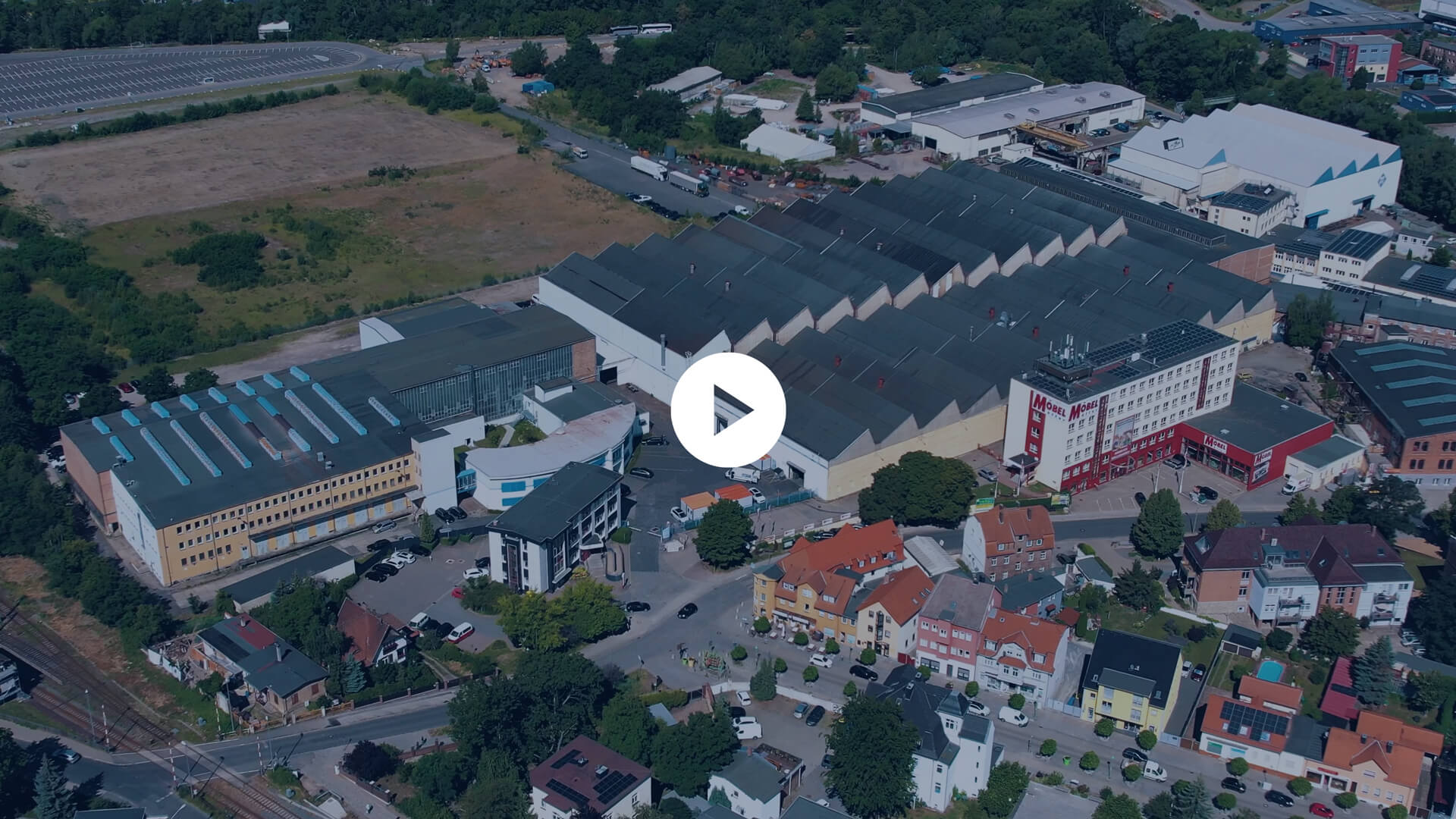
THALETEC ist ein Traditionsunternehmen mit hohem Innovationspotential.
Wir bieten anspruchsvolle Arbeitsplätze in einer attraktiven und gut zu erreichenden Region in den Neuen Bundesländern.
Um mit diesem Kapital im Markt zu wachsen, bauen wir auf engagierte und qualifizierte Mitarbeiterinnen und Mitarbeiter. Erst die Kombination von hochwertiger Technologie und hochmotiviertem Personal garantiert die Fertigung auf höchstem Niveau.
Mit ca. 180 Mitarbeiterinnen und Mitarbeitern ist THALETEC erfolgreich. Das positive Betriebsklima ist geprägt durch Respekt, Fairness und Identifikation mit dem Unternehmen.